
This Circular stipulates the organization and operation of the Drug and Treatment Council in hospitals, including the establishment of drug lists, treatment guidelines, drug usage monitoring, adverse reaction detection, and effectiveness evaluation indicators. This Circular applies to all hospitals.
Đối tượng áp dụng
All hospitals in Vietnam
Các điểm cốt lõi
- Hospitals must establish a Drug and Treatment Council, decided by the Director, consisting of at least five members, including the Chairman (Director or Deputy Director), Vice-Chairman cum Secretary (Head of Pharmacy Department), and other Members.
- The Council establishes drug lists, treatment guidelines, monitors drug usage, detects adverse reactions, and reports periodically.
- ABC, VEN analysis to determine purchasing and storage priorities for drugs; DDD to calculate daily doses.
- The Council establishes effectiveness evaluation indicators regarding financial performance, prescription quality, and drug safety.
- Hospitals must organize training for healthcare staff on the use of drug lists and treatment guidelines.
🌐 Tác động xã hội từ văn bản này
- Positive impact: Reducing drug waste, improving health care quality, protecting patients from harmful reactions.
- Negative impact: May cause difficulties in prescribing and managing drugs if regulations are not followed.
❓ Câu hỏi thường gặp
Who are the members of the Drug and Treatment Council?
The Council includes the Chairman (Director or Deputy Director), Vice-Chairman cum Secretary (Head of Pharmacy Department), and Members, including Heads of key treatment departments, infectious disease specialists, and Chief Nurses.
How does the Council establish drug lists?
The Council uses ABC, VEN analysis methods to determine purchasing and storage priorities for drugs; DDD to calculate daily doses. Additionally, the Council also considers treatment guidelines already established and applied within the hospital.
What must the Council report to the Hospital Director?
The Council must submit for approval by the Hospital Director and implement after discussion, analysis, and proposal. Additionally, the Council must report periodically every six and twelve months according to prescribed formats.
What are the effectiveness evaluation indicators for the Drug and Treatment Council's operations?
These indicators include: drug selection, prescription quality, drug safety; as well as financial efficiency in Council activities.
What are the responsibilities of the Drug and Treatment Council?
The Council establishes drug lists, treatment guidelines, monitors drug usage, detects adverse reactions, and reports periodically. Additionally, the Council must organize training for healthcare staff on the use of drug lists and treatment guidelines.
Toàn văn
|
MINISTRY OF HEALTH |
|
SOCIALIST REPUBLIC OF VIET NAM |
|
Number: 21/2013/TT-BYT |
|
Hanoi, August 8, 2013 |
CIRCULAR
Regulations on organization and operation
of the Drug and Treatment Council in hospitals
This Circular prescribes procedures for receiving, providing health care for domestic violence victims and statistical reports on domestic violence victims at medical facilities.
At the proposal of the Director of the Department of Medical Examination and Treatment;
The Minister of Health issues this Circular to regulate the organization and operation of the Drug and Treatment Council in hospitals.
PART I
GENERAL PROVISIONS
Article 1. Scope of Regulation
This Circular stipulates the organization and operation of the Drug and Treatment Council in hospitals (hereinafter referred to as the Council).
Article 2. Interpretation of Terms
1. ABC analysis is a method of correlating annual drug consumption with costs to identify which drugs account for a large proportion of the hospital's drug budget.
2. VEN analysis is a method to determine priorities for purchasing and storing drugs in hospitals when funds are insufficient to purchase all desired types of drugs. In VEN analysis, drugs are divided into three specific categories as follows:
a) V (Vital drugs) - drugs used in emergency situations or important drugs that must be available to support the hospital's medical services.
b) E (Essential drugs) - drugs used in less severe cases but still significant within the hospital's disease model.
c) N (Non-Essential drugs) - drugs used in minor illnesses, conditions that may self-resolve, including those whose therapeutic efficacy has not been clearly established or have high costs not commensurate with clinical benefits.
3. Defined Daily Dose (DDD) is the average daily maintenance dose for the main indication of a drug.
4. Rational drug use involves using drugs appropriately to meet the clinical needs of patients at suitable individual doses (correct dosage, correct intervals between doses, and duration of use), meeting quality requirements, supply capacity, and having appropriate prices to minimize costs for patients and the community.
Chapter II
FUNCTIONS AND TASKS OF THE COUNCIL
Article 3. Functions
The Council advises the hospital director on matters related to drugs and drug treatment, effectively implementing national policies on drugs in hospitals.
Article 4. Establishing regulations on drug management and use in hospitals
The Council establishes specific regulations on:
1. Criteria for selecting drugs to build the hospital's drug list;
2. Selecting treatment guidelines (treatment protocols) as the basis for building the drug list;
3. Procedures and criteria for adding or removing drugs from the hospital's drug list;
4. Criteria for selecting drugs in tender procurement;
5. Procedures for dispensing drugs from the pharmacy department to patients to ensure proper and safe use;
6. Selecting certain drugs not included in the hospital's drug list due to emergent treatment needs;
7. Limiting the use of certain expensive drugs or drugs with serious adverse reactions, or drugs under scrutiny regarding their efficacy or safety;
8. Using brand-name drugs and alternatives in treatment;
9. Monitoring procedures for drug use in clinical departments;
10. Managing and monitoring the activities of pharmaceutical representatives, pharmaceutical companies, and drug advertising materials.
Article 5. Building a list of drugs for use in hospitals
1. Principles for building the list:
a) Ensuring suitability with the disease model and drug costs for treatment in hospitals;
b) Compatibility with specialized technical tiers;
c) Based on treatment guidelines or protocols that have been developed and implemented at the hospital or healthcare facility;
d) Meeting new methods and techniques in treatment;
đ) Suitability with the hospital's scope of expertise;
e) Consistent with the essential drug list and main drug list issued by the Ministry of Health;
g) Prioritizing domestically produced drugs.
2. Criteria for selecting drugs:
a) Drugs must have reliable evidence regarding efficacy and safety through clinical trial results. The level of reliability of the evidence is shown in Appendix 1 attached to this Circular;
b) Drugs must be available in suitable formulations ensuring bioavailability and quality stability under storage and usage conditions as prescribed;
c) When there are two or more equivalent drugs based on the criteria set out in Points a and b Clause 2 of this Article, they must be selected based on a thorough evaluation of factors such as treatment efficacy, safety, quality, price, and supply capacity;
d) For drugs with the same therapeutic effect but different formulations or mechanisms of action, cost-effectiveness analysis between the drugs should be conducted, comparing total costs related to the treatment process rather than costs per unit of each drug;
đ) Prioritizing single-component drugs. For multi-component combination drugs, sufficient documentation must prove that the dosage of each active ingredient meets the treatment requirements for a specific patient population and offers significant advantages in efficacy, safety, or convenience compared to single-component drugs;
e) Prioritizing generic drugs or internationally recognized brand names, limiting specific brand names or manufacturers;
g) In certain cases, other factors such as pharmacokinetic characteristics or storage equipment, warehousing systems, or manufacturers and suppliers may also be considered;
3. Steps for building the drug list:
a) Collecting and analyzing the previous year's drug usage situation in terms of quantity and value, conducting ABC-VEN analysis, identifying substandard drugs, drug damage, adverse drug reactions, and treatment errors based on reliable sources of information;
b) Objectively evaluating proposed drugs for addition or removal from clinical departments;
c) Building the drug list and classifying drugs within the list according to treatment groups and VEN classification;
d) Developing guidance on using the drug list (for example: restricted-use drugs, drugs requiring consultation, addictive drugs, psychotropic drugs, etc.);
4. Training and guiding healthcare staff to use the drug list.
5. Regularly reviewing, amending, and supplementing the drug list annually.
Article 6. Building and Implementing Treatment Guidelines
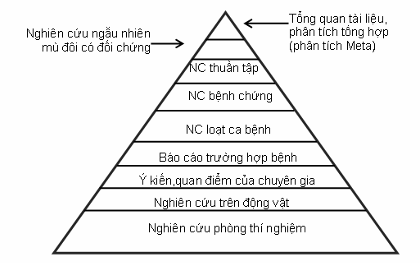
Depending on the scale and capabilities of each hospital, the Council may develop treatment guidelines independently or refer to existing materials from sources listed in Appendix 1 attached to this Circular to build treatment guidelines for use in the hospital.
1. Principles for building treatment guidelines:
a) Consistency with treatment guidelines and national target program guidelines issued by the Ministry of Health;
b) Suitability with the current expertise, human resources, and equipment of the unit;
c) Reflecting contemporary practice rules;
d) Simple, easy to understand, and easy to update.
2. Steps for building treatment guidelines (HDĐTr):
a) Identifying a group of experts to develop or adjust existing treatment guidelines;
b) Developing an overall plan to build and implement treatment guidelines;
c) Identifying diseases requiring treatment guidelines in the hospital;
d) Selecting and developing appropriate treatment guidelines;
đ) Determining the type of information included in the treatment guidelines;
e) Soliciting feedback and piloting the treatment guidelines;
g) Disseminating and implementing the treatment guidelines;
3. Implementation
a) Providing adequate treatment guidelines to prescribing physicians;
b) Training all prescribing physicians on the use of the guidelines;
c) Conducting monitoring and supervision of guideline adherence;
d) Regularly reviewing and updating the contents of the guidelines that have been developed.
Article 7. Determination and analysis of issues related to drug usage
1. Identification of drug-related issues throughout the entire process from storage, preservation to prescription, dispensing and use, including:
a) Drug storage: Empty warehouse due to lack of funding, stockpiling due to poor supply system;
b) Drug preservation: Drugs not meeting quality standards due to improper and insufficient preservation conditions;
c) Prescription: Inappropriate drug prescriptions for patients' medical conditions; prescribers not adhering to drug lists, treatment protocols, and drug interaction guidelines;
d) Dispensing drugs: Errors, failure to fully comply with the five rights (right drug, right patient, right dose, right time, right route);
đ) Drug use: Incorrect method, insufficient dosage, incorrect timing, inappropriate drug mixing, adverse reactions; interactions between drugs, drugs and food; ineffective drugs.
2. Methods of analysis applied to identify drug usage issues:
The council must apply at least one of the following methods to analyze drug usage within the unit:
a) ABC Analysis: Steps of analysis carried out according to the guidance in Appendix 2 issued together with this Circular;
b) Treatment Group Analysis: Steps of analysis carried out according to the guidance in Appendix 3 issued together with this Circular;
c) VEN Analysis: Steps of analysis carried out according to the guidance in Appendix 4 issued together with this Circular;
d) Defined Daily Dose (DDD) Analysis: Steps of analysis carried out according to the guidance in Appendix 5 issued together with this Circular;
đ) Monitoring drug usage indicators according to the guidance in Appendix 6 issued together with this Circular.
3. The council needs to identify drug usage issues and their causes, and select appropriate intervention solutions according to the guidance in Appendix 7 issued together with this Circular.
Article 8. Monitoring Adverse Drug Reactions (ADR) and Treatment Errors
1. Establish procedures for detecting, evaluating, handling, and preventing ADRs and treatment errors in the hospital's drug usage cycle from diagnosis, prescription by doctors, preparation and dispensing by pharmacists, execution of medical orders and patient instructions, and patient compliance to ensure patient safety during treatment.
2. Organize monitoring of ADRs, record and learn from treatment errors.
a) Develop drug usage procedures, closely monitor the use of high-risk drugs for ADRs and the use of drugs on high-risk patient groups for ADRs according to the guidance in Appendix 8 issued together with this Circular;
b) Organize consultations, discussions, and evaluations to reach conclusions on handling measures and propose preventive measures in cases of serious ADRs and treatment errors in the hospital;
c) Prepare annual reports, submit them for approval by the Hospital Director and send them to the Ministry of Health, Provincial Health Department, and National Center for Medicines Information and Adverse Reaction Monitoring regarding ADRs and treatment errors in the hospital.
3. Implement an ADR reporting system in the hospital:
a) For ADRs causing death, threatening life, recurring ADRs with a single drug product, or ADRs with newly introduced drugs in the hospital:
- Report ADRs to the Pharmacy Department for the Pharmacy Department to report to the Standing Council and report to the National Center or Regional Center for Medicines Information and Adverse Reaction Monitoring;
- The ADR Monitoring Sub-committee collects information, evaluates ADRs, and provides feedback to healthcare staff and the Pharmacy Department for the Pharmacy Department to report additional information (if necessary) to the National Center or Regional Center for Medicines Information and Adverse Reaction Monitoring.
b) For other ADRs: Encourage healthcare staff to report, the Pharmacy Department compiles and sends reports to the National Center or Regional Center for Medicines Information and Adverse Reaction Monitoring.
4. Provide information to healthcare staff in the hospital about ADRs and drug usage errors to promptly draw professional lessons.
5. Update, supplement, and amend the hospital's drug list, treatment guidelines, and other professional procedures based on recorded ADR and drug usage error information.
6. Organize training for healthcare staff on ADRs and drug usage errors.
Article 9. Notification and Control of Drug Information
1. The Pharmacy and Treatment Council shall have the duty to convey information on activities, decisions, and recommendations to all entities implementing Council decisions based on ensuring transparency in decisions to avoid conflicts and disputes over interests.
2. Management of drug information work in hospitals.
a) Direct the Hospital Drug Information Unit to update drug information and provide drug information to ensure rational and safe drug use within the hospital scope;
b) Utilize objective and reliable information sources provided by the Pharmacy Department and the Hospital Drug Information Unit in building the drug list, treatment guidelines, and other specialized procedures consistent with the unit's specialized tier;
c) Advise the Hospital Director to establish, issue, and implement regulations on drug promotion within the hospital scope.
Chapter III
ORGANIZATION AND OPERATIONS OF THE BOARD
Article 10. Organization of the Council
1. The Council must be established in all hospitals, by the Hospital Director's decision to establish it; operating under a concurrent position system.
2. Depending on the hospital level, the Council shall have at least five members, including the following components:
a) The Chairman of the Council is the Hospital Director or Deputy Director responsible for the specialty;
b) The Vice-Chairman of the Council concurrently serving as a standing member is the head of the Hospital Pharmacy Department;
c) The Secretary of the Council is the head of the Planning and Coordination Department or a pharmacist from the Pharmacy Department or both of these members;
d) Members include:
- Heads of key treatment departments, specialist microbiologists, and nursing supervisors;
- Hospitals of Class II and above shall have additional pharmacology members or clinical pharmacists;
- Head of the Finance and Accounting Department.
Article 11. Activities of the Council
1. The Council shall convene regularly once every two months or at short notice called by the Chairman. The Council may convene at short notice to address issues arising between regular meetings.
2. The Council shall develop working regulations, annual activity plans, and the content of regular meetings.
3. The Vice-Chairman concurrently serving as a standing member of the Council shall be responsible for compiling relevant drug materials for Council meetings. Materials must be sent to Council members for review prior to the meeting.
4. The Council shall discuss, analyze, and propose opinions, record minutes, and submit them for approval by the Hospital Director after which they shall organize implementation.
5. The Council shall conduct mid-term and final reviews and report periodically every six and twelve months according to the model prescribed in Appendix 9 issued together with this Circular.
Article 12. Assignment of Tasks to Members and Establishment of Subcommittees
The Chairman of the Council assigns specific tasks to members. Depending on the scale of the Council, the Hospital Director decides to establish one of the groups (teams) or subcommittees and assigns specific tasks to each member of the subcommittee:
1. Subcommittee for building the drug list and monitoring drug use in the hospital;
2. Subcommittee for monitoring antibiotic use and tracking bacterial resistance to commonly encountered pathogens;
3. Subcommittee for developing treatment guidelines;
4. Subcommittee for monitoring Adverse Drug Reactions (ADR) and treatment errors;
5. Subcommittee for monitoring drug information.
Article 13. The relationship between the Drug and Treatment Council and the Scientific Council, the Infection Control Council.
The Drug and Treatment Council proposes, directs, and assigns members to develop treatment guidelines for use in hospitals. The Scientific Council reviews and submits to the Hospital Director for approval and implementation. The Drug and Treatment Council collaborates with the Infection Control Council to develop antibiotic resistance control plans, monitor antibiotic resistance of common pathogens, and implement these activities within the hospital.
Chapter IV
IMPLEMENTING PROVISIONS
Article 14. Effective Date
This Circular takes effect from September 22, 2013.
Abolish Circular No. 08/BYT-TT dated July 4, 1997 of the Ministry of Health guiding the organization, functions, and responsibilities of the Drug and Treatment Council in hospitals to implement Directive No. 03/BYT-CT dated February 25, 1997 of the Minister of Health on rectifying drug supply, management, and usage work at hospitals and Section 9 Part III of the Hospital Regulation issued together with Decision No. 1895/1997/QĐ-BYT dated September 19, 1997 of the Minister of Health from the date this Circular takes effect.
Article 15. Responsibility for Implementation
The Director of the Department of Medical Examination and Treatment shall be responsible for organizing the implementation of this Circular.
During the implementation process, if there are difficulties or obstacles, units and localities need to promptly reflect them to the Ministry of Health (Department of Medical Examination and Treatment) for guidance, consideration, and resolution./.
|
Place of Receipt: |
DEPUTY MINISTER |
ANNEX 1
SOME REFERENCE SOURCES
(Issued together with Circular No. 21/2013/TT-BYT dated August 8, 2013 of the Minister of Health)
1. Treatment guidelines that can be referenced from available sources to build hospital treatment guidelines:
a) Treatment guidelines/pharmacotherapy protocols of the Ministry of Health; recommendations on cardiovascular and metabolic diseases of the Vietnam Cardiology Association;
b) Treatment guidelines/pharmacotherapy protocols of the World Health Organization;
c) Guidelines for WHO guidelines (WHO Guidelines for Guidelines);
d) Treatment guidelines of Australia (website: http://www.tg.com.au);
đ) The Cochrane Library (website: http://www.thecochranelibrary.com);
e) Treatment guidelines of the Asian-Pacific and European Hepato-Gastroenterology Associations;
g) American College of Rheumatology/European League Against Rheumatism;
h) Treatment guidelines of the European Society of Cardiology (www.escardio.org); American Heart Association (www.americanheart.org);
i) Treatment guidelines of the American Endocrine/Diabetes Association;
2. Reliability levels of information retrieved (evidence pyramid)
ANNEX 2
STEPS OF ABC ANALYSIS
(Issued together with Circular No. 21/2013/TT-BYT dated August 8, 2013 of the Minister of Health)
1. List all pharmaceutical products.
2. Enter the following information for each pharmaceutical product:
a) Unit price of the product (use prices for specific time points if the product's price changes over time);
b) Quantity consumed of each pharmaceutical product at the hospital.
3. Calculate the amount spent on each product by multiplying the unit price by the quantity of the product. The total amount will be the sum of the amounts spent on each pharmaceutical product.
4. Calculate the percentage value of each product by dividing the amount spent on each pharmaceutical product by the total amount.
5. Reorder the products in descending order of percentage value.
6. Calculate the cumulative percentage value of the total value for each product; start with product number 1, then add the next product in the list.
7. Rank the products as follows:
a) Class A: Includes products accounting for 75 - 80% of the total value amount;
b) Class B: Includes products accounting for 15 - 20% of the total value amount;
c) Class C: Includes products accounting for 5 - 10% of the total value amount.
8. Typically, Class A products account for 10 – 20% of the total number of products, Class B accounts for 10 – 20%, and the remaining are Class C accounting for 60 - 80%.
9. The results obtained can be presented in the form of a chart by marking the percentage of the cumulative total value on the vertical axis or y-axis of the chart and the number of products (equivalent to this cumulative value) on the horizontal axis or x-axis of the chart.
ANNEX 3
TREATMENT GROUP ANALYSIS
(Issued together with Circular No. 21/2013/TT-BYT dated August 8, 2013 of the Minister of Health)
1. Conduct the first three steps of the ABC analysis to establish a drug list including both quantity and value.
2. Sort treatment groups for each drug according to the World Health Organization's Essential Medicines List or other reference materials such as the AHFS Pharmacotherapy Classification System of the American Hospital Formulary Service or the ATC Anatomical-Therapeutic-Chemical Classification System of the World Health Organization.
3. Reorder the drug list by treatment group and consolidate the percentage value of each drug for each treatment group to determine which treatment group incurs the highest cost.
ANNEX 4
STEPS OF VEN ANALYSIS
(Issued together with Circular No. 21/2013/TT-BYT dated August 8, 2013 of the Minister of Health)
1. Each member of the Council ranks the drug groups into three types: V, E, and N.
2. The classification results of the members are collected and unified, then the Council will:
3. Select and eliminate duplicate treatment options.
4. Review drugs in the N category and limit purchasing or eliminate these drugs if they are no longer needed for treatment.
5. Review the expected purchase quantities, prioritize purchasing drugs in the V and E categories before those in the N category, and ensure that drugs in the V and E categories have a safe stock level.
6. Closely monitor orders and inventory levels of drugs in the V and E categories more than those in the N category.
ANNEX 5
STEPS TO CALCULATE DDD
(Issued together with Circular No. 21/2013/TT-BYT dated August 8, 2013 of the Minister of Health)
|
No. |
Steps |
Example |
|
1 |
Determine the total amount of medication used or purchased during the analysis period in units of minimum quantity (tablet, capsule, vial) and strength (mg, g, IU). |
The annual quantity of methyldopa used at a provincial hospital and nearby clinics serving a population of two million people is: 25,000 tablets of methyldopa 250mg and 3,000 tablets of methyldopa 500mg |
|
2 |
Calculate the total consumption of the drug in a year in units of mg/g/UI by multiplying the quantity (tablet, capsule, vial) by the strength. |
Annual consumption of methyldopa = (25,000 x 250mg) + (3,000 x 500mg) = 7,750,000 mg (7,750g) |
|
3 |
Divide the calculated total by the Defined Daily Dose (DDD) of the drug. |
The Defined Daily Dose (DDD) of methyldopa = 1g Therefore, the number of DDDs of methyldopa consumed = 7,750g : 1g = 7,750 DDD |
|
4 |
Allocate the total quantity calculated to the number of patients (if determinable) or the population if available |
Annual consumption of methyldopa = 7,750 Defined Daily Doses (DDD) for 2,000,000 people per year = 3.875 DDD for 1,000 people per year |
ANNEX 6
DRUG USE INDICATORS
(Issued together with Circular No. 21/2013/TT-BYT dated August 8, 2013 of the Minister of Health)
WHO/INRUD drug use indicators for primary healthcare facilities
1. Prescribing indicators
a) Average number of drugs per prescription;
b) Percentage of drugs prescribed by generic name or international nonproprietary name (INN);
c) Percentage of prescriptions containing antibiotics;
d) Percentage of prescriptions containing injectables;
đ) Percentage of prescriptions containing vitamins;
e) Percentage of drugs prescribed included in the essential medicines list issued by the Ministry of Health.
2. Patient care indicators
a) Average consultation time;
b) Average dispensing time;
c) Percentage of drugs actually dispensed;
d) Percentage of drugs correctly labeled;
đ) Patients' knowledge of dosage;
3. Facility indicators
a) Availability of essential or listed drugs for doctors to prescribe;
b) Availability of treatment protocols;
c) Availability of key drugs.
4. Comprehensive drug use indicators
a) Percentage of patients treated without drugs;
b) Average cost of drugs per prescription;
c) Percentage of drug costs allocated to antibiotics;
d) Percentage of drug costs allocated to injectables;
đ) Percentage of drug costs allocated to vitamins;
e) Percentage of prescriptions consistent with treatment protocols;
g) Percentage of patients satisfied with healthcare services;
h) Percentage of healthcare facilities accessible to objective drug information.
5. Hospital-specific indicators for drug use
a) Average length of hospital stay;
b) Percentage of drugs prescribed within the hospital drug list;
c) Average number of drugs per patient per day;
d) Average number of antibiotics per patient per day;
đ) Average number of injectables per patient per day;
e) Average drug cost per patient per day;
g) Percentage of surgical patients receiving appropriate preoperative prophylactic antibiotics;
h) Number of antibiotic susceptibility reports from the hospital;
i) Percentage of inpatients exhibiting preventable adverse drug reactions;
k) Percentage of inpatients dying from preventable adverse drug reactions;
l) Percentage of postoperative patients receiving appropriate pain relief.
ANNEX 7
EXAMPLES OF ISSUES, CAUSES AND SOLUTIONS
(Issued together with Circular No. 21/2013/TT-BYT dated August 8, 2013 of the Minister of Health)
|
Issues and Causes |
Solutions |
|
|
1 |
Non-compliance with the drug list |
|
|
Lack of a drug list |
Develop a drug list |
|
|
Prescribers are unaware of the drug list |
Distribute and provide the drug list |
|
|
Prescribers do not trust the drug list |
Engage prescribers in the drug list development process |
|
|
Inconsistency between the drug list and treatment guidelines |
Review the drug list to align with treatment guidelines |
|
|
2 |
Non-compliance with treatment guidelines |
|
|
Absence or lack of updated treatment guidelines |
Develop treatment guidelines |
|
|
Prescribers are unaware of treatment guidelines |
Distribute treatment guidelines |
|
|
Prescribers do not trust treatment guidelines |
Engage prescribers in the treatment guideline development process |
|
|
Inconsistency between treatment guidelines and the drug list |
Review the drug list to align with treatment guidelines |
|
|
3 |
Drug supply status |
|
|
Too many drugs causing difficulties for pharmacy management |
Review the drug list to reduce the number of drug types |
|
|
Unreliable suppliers |
Review the procurement system |
|
|
Weak distribution network |
Review the distribution system |
|
|
Excessive drug usage |
Investigate the issue of using drugs with high consumption volumes |
|
|
Insufficient budget |
Review the treatment groups in the drug list and select alternative drugs with lower costs but equivalent efficacy |
|
|
4 |
Errors in treatment according to reports |
|
|
Staff have limitations in knowledge |
Train staff |
|
|
Overload of work |
Adjust labor practices |
|
|
Poor lighting system and excessive noise |
Organize drug distribution at locations that meet lighting standards and have less noise |
|
|
Poor communication conditions, such as handwritten or oral prescriptions still exist |
Establish recording methods ensuring clarity and accuracy |
|
|
Prescription calculation remains complex |
Develop or review treatment guidelines and drug lists to simplify calculations |
|
|
The drug list contains too many drugs and formulations |
Consider reducing the number of drugs and formulations in the drug list |
|
|
5 |
Drugs are no longer effective for treatment |
|
|
Inappropriate drug use - errors in prescription and treatment |
Investigate and survey drugs that are no longer effective in clinical practice |
|
|
Drugs have low therapeutic efficacy |
Review information on drug efficacy in medical literature and update accordingly |
|
|
Low quality of drugs perceived visually |
Review the drug procurement and storage process, possibly changing suppliers |
|
|
6 |
Adverse reactions reported |
|
|
Inappropriate drug use - errors in prescription and treatment |
Investigate the clinical use of drugs considered to be the cause of adverse reactions |
|
|
Low quality of drugs perceived visually |
Review the drug procurement and storage process, possibly changing suppliers |
|
|
Actual adverse drug reactions (ADR) |
Report to the National ADR Center. Review safety profiles of drugs and reasons for inclusion in the drug list |
|
|
7 |
Excessive and inappropriate drug use |
|
|
Lack of uniform usage standards |
Develop and implement treatment guidelines |
|
|
Prescriber habits |
Use qualitative methods to investigate prescriber habits, then design and implement appropriate intervention models |
|
|
Prescribers lack knowledge |
Train prescribers directly and through printed materials |
|
|
Patient demands |
Use qualitative methods to understand patient demands, then design and implement appropriate intervention forms |
|
|
8 |
Patient condition not improving |
|
|
Inappropriate drug use |
Investigate drug use in patients whose treatment has not improved |
|
|
Drugs have low therapeutic efficacy |
Review information from medical literature about the efficacy of drugs used in patients, reasons for ineffectiveness, and reasons for inclusion in the drug list |
|
|
Poor quality drugs |
Review the procurement and storage process for ineffective drugs. Consider changing suppliers |
|
|
Misdiagnosis |
Train prescribers directly and through printed materials |
|
|
9 |
The Drug and Treatment Council is inactive |
|
|
Inadequate attendance at Drug and Treatment Council meetings due to lack of motivation and rewards |
Discuss with hospital leadership to find incentive mechanisms, such as allowing council members time to perform council activities |
|
|
Non-transparent decision-making process reduces trust in the Drug and Treatment Council |
Document job requirements, unify and formalize drug list management processes and other decision-making procedures, requiring council members to sign conflict of interest declarations |
|
|
Lack of trust in the need to establish a Drug and Treatment Council |
Provide evidence of inappropriate drug use, its harmful effects, and financial costs |
|
ANNEX 8
LIST OF PATIENTS AND DRUGS AT HIGH RISK FOR ADR
(Issued together with Circular No. 21/2013/TT-BYT dated August 8, 2013 of the Minister of Health)
I. Patients at High Risk for ADR
1. Patients with multiple diseases
2. Patients using multiple drugs over extended periods
3. Elderly patients and pediatric patients
4. Patients treated with high-risk drugs for adverse reactions
5. Patients treated with drugs having narrow therapeutic windows or potential for significant drug interactions
6. Patients with liver or kidney dysfunction
7. Patients with immunocompromised conditions or autoimmune diseases
8. Patients with a history of allergies, drug allergies, food allergies, or unexplained allergies
9. Alcoholics
10. Pregnant women and nursing mothers
II. Drugs at High Risk for Causing ADR
1. Drug Groups:
a) Adrenergic agonists, administered intravenously (e.g., adrenaline, phenylephrine, noradrenaline, dopamine, dobutamine)
b) Beta-adrenergic antagonists, administered intravenously (e.g., propranolol, metoprolol, labetalol)
c) Inhalation and intravenous anesthetics (e.g., propofol, ketamine)
d) Antiarrhythmic drugs, administered intravenously (e.g., lidocaine, amiodarone)
e) Vitamin K antagonists, low molecular weight heparins, unfractionated heparin, factor Xa inhibitors (e.g., fondaparinux), direct thrombin inhibitors (e.g., argatroban, lepirudin, bivalirudin), fibrinolytics (e.g., alteplase, reteplase, tenecteplase), and platelet aggregation inhibitors targeting glycoprotein IIb/IIIa receptors (e.g., eptifibatide)
f) Cardioplegic solutions
g) Chemotherapy drugs used in cancer treatment, administered intravenously or orally
h) Dextrose solutions with osmotic pressure (concentration ≥ 20%)
i) Peritoneal dialysis and hemodialysis solutions
k) Spinal anesthesia drugs (e.g., bupivacaine)
l) Oral antidiabetic drugs (e.g., metformin)
m) Intravenous positive inotropic agents (e.g., digoxin, milrinone)
n) Liposomal and conventional formulation drugs (e.g., liposomal amphotericin B)
o) Intravenous sedatives (e.g., midazolam)
p) Oral sedatives for children (e.g., chloral hydrate)
q) Opioids used for anesthesia or pain relief, administered intravenously, transdermal patches, or orally
r) Neuromuscular blocking agents (e.g., succinylcholine, rocuronium, vecuronium)
s) Contrast media, administered intravenously
t) Parenteral nutrition products
u) Sodium chloride, administered intravenously, hypertonic solutions (concentration > 0.9%)
v) Sterile water for injection, infusion, and wound cleaning (accompanied by bottles) with a volume of 100 mL or more.
2. Certain specific drugs:
a) Colchicine, for intramuscular injection;
b) Epoprostenol (Flolan), for intravenous injection;
c) Insulin, for subcutaneous and intravenous injection;
d) Magnesium sulfate, for intramuscular injection;
đ) Oral cancer drugs used for non-cancer treatment indications;
e) Oxytocin, for intravenous injection;
g) Sodium nitroprusside, for intravenous injection;
h) Concentrated potassium chloride solution, for intravenous injection;
i) Potassium phosphate, for intravenous injection;
k) Promethazine, for intravenous injection./.
ANNEX 9
INDICATORS FOR ASSESSING THE ACTIVITIES AND IMPACT OF THE DRUGS AND THERAPEUTIC MANAGEMENT COMMITTEE
(Issued together with Circular No. 21/2013/TT-BYT dated August 8, 2013 of the Minister of Health)
I. Process Indicators
1. Does the Committee have a document clearly defining the purpose, objectives, tasks, and functions of each member?
2. How many meetings did the Committee organize in the previous year?
3. Does the Committee have a document regulating the addition or removal of drugs from the hospital drug list?
4. Has the Committee developed, issued, and implemented treatment guidelines?
5. Has the Committee organized training activities on drug use?
6. How many intervention studies aimed at improving drug use practices were conducted in the previous year?
7. How many drug usage surveys were carried out in the previous year?
8. Have regulations been established to control information about drugs provided by drug promoters and advertisers at the hospital?
II. Impact Indicators
1. Drug selection:
a) The number of drugs included in the hospital drug list?
b) The number of antibiotics included in the hospital drug list?
c) The proportion of prescribed drugs that are included in the hospital drug list?
2. Prescription quality:
a) The proportion of patients treated in accordance with treatment guidelines?
b) The proportion of drugs prescribed that meet the criteria assessed in drug usage surveys?
3. Safety in drug use: The rate of deaths and illnesses caused by adverse drug reactions and treatment errors in the year?
III. Effectiveness Indicators
Financial effectiveness in committee activities: The cost of committee activities compared to the amount saved through improvements and reductions in waste in drug use?
Văn bản gốc (PDF)
Tải văn bản
Bản đồ quan hệ
Bấm vào một văn bản để mở. Viền đỏ = quan hệ làm thay đổi hiệu lực.