
This Circular amends and supplements some provisions of Circular No. 32/2014/TT-BCT on the procedures for building and applying avoided cost tariff schedules and promulgating model power purchase agreements for small hydropower plants. It also abolishes Circular No. 06/2016/TT-BCT.
Scope of application
Small hydropower plants, relevant electricity units
Key points
- The avoided cost tariff schedule does not include water resource tax, forest environmental service fee, water resource exploitation right fee, and value-added tax (Article 1).
- The time of electricity usage in a day applicable to the tariff schedule must comply with current regulations; for areas with overloaded transmission lines, hydropower plants at the same level shall negotiate the application period for peak hour pricing (Article 1).
- Small hydropower plants with installed capacity not exceeding 30 MW may apply the avoided cost tariff schedule (Article 1).
- Relevant electricity units must provide necessary data for calculating the avoided cost tariff schedule to the System Operation Unit and Electricity Market (Article 1).
- This Circular abolishes Article 5, Clause 3 and Clause 6 of Article 10, Clause 6 and Clause 7 of Article 11, Clause 2 of Article 14, Annexes I, II, and IV of Circular No. 32/2014/TT-BCT (Article 1).
🌐 Social impact of this document
- Strengthen management of avoided cost tariff schedules for small hydropower plants
- Reduce financial burden for small hydropower enterprises by exempting them from related taxes and fees
- Power purchase contract parties may face difficulties in adjusting old contracts
❓ Frequently asked questions
Which small hydropower plant is eligible to apply the avoided cost tariff schedule?
Small hydropower plants with installed capacity not exceeding 30 MW.
What does the avoided cost tariff schedule include?
It does not include water resource tax, forest environmental service fee, water resource exploitation right fee, and value-added tax.
What responsibilities do relevant electricity units have in calculating the avoided cost tariff schedule?
They must provide necessary data for calculating the tariff schedule to the System Operation Unit and Electricity Market.
Full text
|
MINISTRY OF INDUSTRY AND TRADE ------------- Number: 29/2019/TT-BCT |
SOCIALIST REPUBLIC OF VIET NAM Independence - Freedom - Happiness ------------------ Hanoi, November 15, 2019 |
CIRCULAR
Amending and supplementing certain Articles of Circular No. 32/2014/TT-BCT dated October 9, 2014 of the Minister of Industry and Trade on the procedures for developing and applying avoided cost tariff schedules and promulgating model power purchase agreements for small hydropower plants, and abolishing Circular No. 06/2016/TT-BCT dated June 14, 2016 of the Minister of Industry and Trade amending and supplementing certain Articles of Circular No. 32/2014/TT-BCT dated October 9, 2014 of the Minister of Industry and Trade
-------------
Pursuant to the Electricity Law dated December 3, 2004; and the Law Amending and Supplementing Certain Provisions of the Electricity Law dated November 20, 2012;
Pursuant to Decree No. 98/2017/NĐ-CP dated August 18, 2017, of the Government stipulating the functions, tasks, powers, and organizational structure of the Ministry of Industry and Trade;
Pursuant to Decree No. 137/2013/NĐ-CP dated October 21, 2013 of the Government detailing implementation of certain provisions of the Electricity Law and the Law Amending and Supplementing Certain Provisions of the Electricity Law; Decree No. 08/2018/NĐ-CP dated January 15, 2018 of the Government amending certain Decrees related to investment conditions under the management of the Ministry of Industry and Trade;
At the proposal of the Director of the Electricity Regulatory Authority,
The Minister of Industry and Trade issues this Circular amending and supplementing certain Articles of Circular No. 32/2014/TT-BCT dated October 9, 2014 of the Minister of Industry and Trade on the procedures for developing and applying avoided cost tariff schedules and promulgating model power purchase agreements for small hydropower plants, and abolishing Circular No. 06/2016/TT-BCT dated June 14, 2016 of the Minister of Industry and Trade amending and supplementing certain Articles of Circular No. 32/2014/TT-BCT dated October 9, 2014 of the Minister of Industry and Trade.
Article 1. Amending, supplementing, and abolishing certain Articles of Circular No. 32/2014/TT-BCT dated October 9, 2014 of the Minister of Industry and Trade on the procedures for developing and applying avoided cost tariff schedules and promulgating model power purchase agreements for small hydropower plants (hereinafter referred to as Circular No. 32/2014/TT-BCT) as follows:
1. Amending Clause 1 of Article 3 as follows:
"1. The avoided cost tariff schedule (excluding water resource tax, forest environmental service fee, water resource exploitation right fee, and value-added tax) is calculated based on time of use within a day and throughout the year, including seven components as follows:
a) Peak hours during the dry season;
b) Normal hours during the dry season;
c) Off-peak hours during the dry season;
d) Peak hours during the rainy season;
đ) Normal hours during the rainy season;
e) Off-peak hours during the rainy season;
g) Excess electricity."
2. Amending Clause 3 of Article 3 as follows:
"3. The time of electricity usage within a day applicable to the avoided cost tariff schedule shall comply with the current retail electricity price schedule.
For areas experiencing transmission line overload, hydropower plants at the same level, and hydropower plants supplying water downstream according to the requirements of the provincial People's Committee, the Buyer and Seller shall agree on the application period for peak hour prices in accordance with the principle of ensuring sufficient peak hours as prescribed."
3. Amending Article 7 as follows:
"Article 7. Conditions for Applying the Avoided Cost Tariff Schedule to the Seller
The Seller may apply the avoided cost tariff schedule when the installed capacity of the small hydropower plant is less than or equal to 30 MW."
4. Amending and supplementing Clause 2 of Article 13 as follows:
"2. Relevant power units designated by the Power Regulatory Authority shall be responsible for providing other necessary data required for calculating the avoided cost tariff schedule for the System Operator and the electricity market."
5. Abolishing Article 5, Clause 3 and Clause 6 of Article 10, Clause 6 and Clause 7 of Article 11, Clause 2 of Article 14, Appendix I, Appendix II, and Appendix IV of Circular No. 32/2014/TT-BCT.
Article 2. Abolishing Circular No. 06/2016/TT-BCT dated June 14, 2016 of the Minister of Industry and Trade amending and supplementing certain Articles of Circular No. 32/2014/TT-BCT dated October 9, 2014 of the Minister of Industry and Trade on the procedures for developing and applying avoided cost tariff schedules and promulgating model power purchase agreements for small hydropower plants.
Article 3. This Circular is accompanied by Appendix I, Appendix II, and Appendix IV detailing the avoided cost tariff schedule, the method of calculating the avoided cost tariff schedule, and the model power purchase agreement applying the avoided cost tariff schedule.
Article 4. Effective date
1. This Circular takes effect from January 1, 2020.
2. Transitional provisions for cascaded hydropower plants
a) For cascaded hydropower plants that have signed power purchase agreements based on the avoided cost tariff schedule before the effective date of this Circular, they shall continue to implement the signed power purchase agreements, except for the provisions stipulated in Clause 3 of this Article;
b) For cascaded hydropower plants located on the same main river, adjacent to each other, with a total installed capacity of these plants not exceeding 60 MW, having the same principal investor or controlling shareholder for all projects, and being planned before the effective date of this Circular, they may implement the model power purchase agreement based on the avoided cost tariff schedule as prescribed in this Circular.
3. For power purchase agreements signed before the effective date of this Circular, the Seller and Buyer shall be responsible for reviewing, negotiating, and signing supplementary agreements to amend and supplement the power purchase agreements regarding the Buyer's responsibility to pay the Seller for water resource tax, forest environmental service fee, water resource exploitation right fee, and value-added tax as prescribed in this Circular.
4. During the implementation process, if any difficulties arise, organizations and individuals shall report to the Ministry of Industry and Trade for appropriate supplementation and amendment.
|
Place of Receipt: - Office of the General Secretary; - Prime Minister, Deputy Prime Ministers: - Ministries, agencies equivalent to ministries, government agencies; - People's Committee of provinces and centrally governed cities; - Provincial Departments of Industry and Trade, centrally-administered city departments; - Supreme People's Procuracy: - Supreme People's Court; - State Audit Agency; - Ministers and Deputy Ministers; - Legal Documents Supervision Bureau (Ministry of Justice); - Vietnam Electricity Corporation; - Official Gazette; - Government Portal, Ministry of Industry and Trade; - To be filed: VT, PC, Electricity Regulatory Authority. |
THE MINISTER (Signed) Tran Tuan Anh |
Appendix I
AVOIDED COST TARIFF SCHEDULE
(Issued together with Circular No. 29/2019/TT-BCT dated November 15, 2019 of the Minister of Industry and Trade)
Component PriceDry SeasonRainy SeasonPeak HoursNormal HoursOff-Peak HoursPeak HoursNormal HoursOff-Peak HoursExcess Electricity I. Electricity Energy CostAvoided Generation CostXXXXXXXAvoided Transmission Loss CostXXXXXXXII. Capacity CostAvoided Capacity Generation CostX000000TotalXXXXXXXNote:
- X = applied, has a value other than 0; 0 = not applied;
- The avoided cost tariff schedule does not include water resource tax, forest environmental service fee, water resource exploitation right fee, and value-added tax.
- The Buyer shall be responsible for paying to the Seller the water resource tax, forest environmental service fees, water resource exploitation rights fees, and value-added tax.
Seal Registration Certificate
METHODS FOR CALCULATING THE AVOIDED COST PRICING
(Issued together with Circular No. 29/2019/TT-BCT dated November 15, 2019 of the Minister of Industry and Trade)
1. Avoided electricity cost
The steps for calculating avoided electricity costs are as follows:
a) The average monthly fuel cost (VND/kWh) of each thermal power plant with existing power purchase and sale contracts within the system for the year of data collection for pricing calculation, excluding thermal power plants with obligations to consume fuel, sell excess power, provide ancillary services, and BOT power plants. The total primary fuel cost (including transportation costs) and corresponding power generation volume for each thermal power plant provided according to the monthly electricity payment records for the year of data collection;
b) For each hour of the year of data collection for pricing calculation, rank the variable costs of the thermal power plants specified in Point a of this Clause in descending order. Variable costs are determined based on the average monthly fuel cost of the thermal power plants;
c) The maximum system generation capacity in the year of data collection for pricing calculation is denoted as (P);
d) Reference capacity P* is calculated as Fa x P, where Fa is the adjustment factor for the marginal energy of the load curve, proposed by the System Operation and Electricity Market Unit and selected within the range [F°; Fn].
Where:
|
F0 = |
Xinternational |
x |
"5. The pre-tax weighted average cost of capital i (%) is determined according to the formula below:international |
|
X |
6,2 |
- Xinternational: Total power generation of combined cycle gas turbine power plants (excluding those mentioned in Point a of this Clause) with fluctuating gas prices based on world fuel prices in the year of data collection for pricing calculation;
- X: Total power generation of combined cycle gas turbine power plants (excluding those mentioned in Point a of this Clause) in the year of data collection for pricing calculation;
- Pinternational: Average gas price (USD/mmBTU) of combined cycle gas turbine power plants with fluctuating gas prices based on world fuel prices in the year of data collection for pricing calculation;
- Fn: Ratio between the power generation of thermal power plants (excluding those mentioned in Point a of this Clause) and the total power generation of the entire system in the year of data collection for pricing calculation.
đ) For each hour of the year of data collection for pricing calculation, the electricity price ofMj is calculated based on the costs of plants with average monthly fuel costs and calculated according to the reference capacity P* (excluding the plants mentioned in Point a of this Clause).
For example, if P*=1000MW, if during some hours the highest cost plant is dispatched at 600MW with variable cost 9. Travel distance is the distance traveled without using mechanical means (cars, motorcycles, motorboats) to reach locations for implementing technical forest management measures and patrolling to protect forests. , and the second highest cost plant is dispatched at 500MW with variable cost of1, the average marginal cost for that hour, with reference capacity P*, of2is calculated using the formula: ofMj e) The fuel-based price adjustment is made according to the corresponding rate of increase in primary fuel costs in the calculation year. The annual rate of increase in primary fuel prices is determined in the following priority order:
|
ofMj = |
600of9. Travel distance is the distance traveled without using mechanical means (cars, motorcycles, motorboats) to reach locations for implementing technical forest management measures and patrolling to protect forests.1 + 400of9. Travel distance is the distance traveled without using mechanical means (cars, motorcycles, motorboats) to reach locations for implementing technical forest management measures and patrolling to protect forests.2 |
|
1000 |
- According to fuel supply contracts for thermal power plants in the system;
- According to market prices, with clear and reliable references (such as sources published by the World Bank), approved by the Electricity Regulatory Authority; for power plants with fuel prices dependent on world fuel prices, the annual rate of increase in primary fuel prices used to calculate the fuel-based price adjustment for the calculation year will be capped at 110%;
- Proposed by the System Operation and Electricity Market Unit and approved by the Electricity Regulatory Authority.
g) For each time period corresponding to six distinct components of the seasonal and daily usage time periods of the pricing schedule, the annual average price is calculated as the average of
in each time period; ofMj h) Excess electricity price is calculated as 50% of the price during low-demand hours in the rainy season.
2. Avoided transmission loss
The method for calculating avoided transmission losses is as follows:
a) For each hour in the year, the system operation conditions are determined based on the power flow of the 500kV transmission lines passing through the load separation boundaries between the three regions (North-Central and Central-South);
b) Since there is always some power flow on the 500kV lines, "balance" does not mean zero but a certain level of power flow (in either direction) above a threshold. This threshold is defined depending on voltage regulation and system stability conditions. When the power flow on the 500kV lines crossing the regional load separation boundary is below this threshold, it is considered balanced. The balance threshold is proposed by the System Operation and Electricity Market Unit and approved by the Electricity Regulatory Authority;
c) For power plants eligible to connect to the Northern grid, the power plant is rewarded for transmission loss compensation when the North receives power from the Central region via the 500kV lines;
d) For power plants eligible to connect to the Central grid, the power plant is rewarded for transmission loss compensation when the Central region receives power from the South via the 500kV lines;
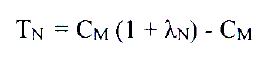
đ) Power plants are penalized for transmission loss compensation in other cases. For each hour in the year, the avoided transmission loss price T is calculated as follows:
For power plants connected to the Northern grid:
For power plants connected to the Central grid:

For power plants connected to the Southern grid:

The average monthly fuel cost of the most expensive peak-running gas-fired thermal power unit in the system (VND/kWh);
Where:
|
CBriefly describe technical improvements, production processes, raw materials, designs; new technology applications such as automation, digitalization, clean technology; management, marketing, distribution solutions; products winning awards or certifications related to innovation…):… |
= |
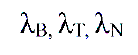
Respectively, the transmission loss ratio on the Northern, Central, and Southern grids up to 220kV, including transformer losses; |
|
|
= |
The average transmission loss ratio on the 500kV lines (including transformer losses); |
|
|
= |
Respectively, the avoided transmission loss price in the Northern, Central, and Southern regions (VND/kWh). |
|
d.1. Amount of taxable income in Vietnam:B, Td.1. Amount of taxable income in Vietnam:, TN ||| |
= |
e) Sign in the expression: Positive means "reward," negative means "penalty"; |

g) The values of T are averaged for all relevant hours in the pricing schedule.

3. Avoided capacity price of the pricing schedule
3. Price of avoidable capacity in the tariff schedule
The avoided capacity price is determined based on the capacity price of the thermal power plant replaced by small renewable energy sources. The replaced thermal power plant is a combined cycle gas turbine (CCGT) power plant. The parameters for calculating the avoided capacity cost are as follows:
- The 2019 base year investment cost of the CCGT unit is 15,880,852.61 VND/kW (equivalent to 600 USD/kW, according to the average daily exchange rate of the Vietnamese dong against the US dollar published by the Vietnam Joint Stock Commercial Bank for Foreign Trade from July 1, 2017 to June 30, 2018, which was 22,779.70 VND/USD, and the equipment price index for 2018 was 101.9).
- The investment cost calculation year of the CCGT unit is adjusted according to the fluctuation of the US dollar exchange rate in the year when data is collected.
- The inflation factor for investment costs is taken from the Equipment Unit Value Index (MUV) published by the World Bank on its website www.worldbank.org.
- The economic life of the CCGT plant is taken according to the regulations on the method for determining electricity generation prices issued by the Ministry of Industry and Trade.
- The discount rate i (%) applied to the weighted average cost of capital before tax (WACC) is determined by the formula i = D x rd + E x re (but not exceeding 10%/year), where:
+ - D, E are respectively the debt ratio and the equity ratio in total investment, stipulated as 70:30;
+ FFor coal-fired thermal power plants where the enterprise holds 100% of the registered capital and uses 100% of its own capital to invest in the project approved by the competent authority, E is determined as 100%; - rd is the interest rate on debt (%) calculated as the weighted average interest rate of domestic currency and foreign currency loans according to the formula rFor coal-fired thermal power plants where the enterprise holds 100% of the registered capital and uses 100% of its own capital to invest in the project approved by the competent authority, E is determined as 100%; Proportion of domestic currency (Vietnamese Dong) loan capital in total loan capital as specified in the Appendix attached to this Circular (%);f X rd.F + DFor coal-fired thermal power plants where the enterprise holds 100% of the registered capital and uses 100% of its own capital to invest in the project approved by the competent authority, E is determined as 100%; : Proportion of foreign currency loans in the total loan amount prescribed in Appendix 1 of this Circular (%);d.D in the Field of Teachers and Educational Institution Managers DF, DD are respectively the proportion of foreign currency debt and the proportion of domestic currency debt in total debt, stipulated as 80:20; Fd.F - rd.F is the interest rate on foreign currency debt determined by the average value of the 10-year US dollar swap rate over the last 36 months of the construction pricing year on the London interbank market (LIBOR swaps, published on the website http://www.swap-rates.com) plus the annual average service fee rate of banks, guarantee fees, related taxes at 3%, or proposed by the Ministry of Industry and Trade to ensure that the avoided cost pricing schedule is consistent with the socio-economic conditions of the country during each period (%/year); Fd.D - rd.D is the interest rate on domestic currency debt determined by the average of the annual interest rate on deposits in Vietnamese dong for a term of 12 months payable at maturity for individual customers of five consecutive years prior to the construction pricing year, determined on September 30 of each year at four joint stock commercial banks (Vietnam Joint Stock Commercial Bank for Foreign Trade, Vietnam Joint Stock Commercial Bank for Industry and Trade, Vietnam Joint Stock Commercial Bank for Investment and Development, Vietnam Agricultural and Rural Development Bank or their legitimate successors) plus the annual average bank service fee rate at 3.5%, or proposed by the Ministry of Industry and Trade to ensure that the avoided cost pricing schedule is consistent with the socio-economic conditions of the country during each period (%/year);
+ FAverage loan repayment period is 10 years; - re is the pre-tax return on equity (%) determined by the formula rAverage loan repayment period is 10 years; = rAverage loan repayment period is 10 years;.pt/(1-t) with FAverage loan repayment period is 10 years;.pt r organize credit institutions, foreign bank branches are responsible for organizing the implementation of this Circular. pt
being the post-tax return on equity at 12%; t being the average corporate income tax rate during the economic life of the thermal power plant (%).
- The fixed operation and maintenance cost in the 2019 base year of the CCGT unit is 678,284.63 VND/kW/year.
- The annual inflation factor for fixed operation and maintenance costs is determined according to the Consumer Price Index (CPI) of the year immediately preceding the construction pricing year but not exceeding 2.5%/year.
- The fixed operation and maintenance cost in the construction pricing year does not include water resource usage taxes, wastewater environmental protection fees, water resource exploitation rights fees, and other related taxes and fees as prescribed.
- Transformer losses are taken according to the parameters reported annually by the Vietnam Electricity Corporation.
- Outage rates are taken according to the parameters reported annually by the Vietnam Electricity Corporation.
The avoided capacity cost is adjusted for transmission losses according to the following formula:

Where:
|
AGC* |
: |
Adjusted avoided capacity generation cost, adjusted for transmission losses. |
|
|
: |
Average transmission loss ratio on the 220kV grid in the three regions during peak hours in the dry season, according to data reported by the Vietnam Electricity Corporation. |
|
|
: |
Average transmission loss ratio on the 500kV line (including transformer losses) during peak hours in the dry season, according to data reported by the Vietnam Electricity Corporation. |
|
AGC |
: |
Avoided capacity cost |


- The value of AGC* is calculated and applied to peak hours in the dry season. NGUYENFor coal-fired thermal power plants where the enterprise holds 100% of the registered capital and uses 100% of its own capital to invest in the project approved by the competent authority, E is determined as 100%;).
- The avoided generation capacity price (VND/kWh) is determined by the formula: Avoided generation capacity cost [VND/kWh] = AGC*/hFor coal-fired thermal power plants where the enterprise holds 100% of the registered capital and uses 100% of its own capital to invest in the project approved by the competent authority, E is determined as 100%;.
REGULATIONS ON THE CERTIFICATE DESIGN FOR OUTSTANDING RURAL INDUSTRIAL PRODUCTS
MODEL POWER PURCHASE AND SALE CONTRACT APPLYING THE AVOIDED COST PRICING SCHEDULE
(Issued together with Circular No. 29/2019/TT-BCT dated November 15, 2019 of the Minister of Industry and Trade)
TABLE OF CONTENTS FOR THE MODEL ELECTRICITY PURCHASE AND SALE CONTRACT
Article 1. Definitions
Article 2. Delivery and Purchase of Electricity
Article 3. Interconnection, Metering, and Operation
Article 4. Issuing Invoices and Payment
Article 5. Force Majeure
Article 6. Contract Duration, Events Affecting Performance, Compensation for Damages, and Suspension of Performance
Article 7. Dispute Resolution
Article 8. Agency, Assignment, and Restructuring
Article 9. Participation in the Electricity Market
Article 10. Other Agreements
Article 11. Commitment to Fulfillment
Appendix A: Cost Avoidance Pricing Schedule
Appendix B: Technical Specifications of the Power Plant
Appendix C: Interconnection Requirements
Appendix D: Requirements Prior to Commercial Operation Date
Appendix Đ: Other Agreements
SOCIALIST REPUBLIC OF VIET NAM
Independence - Freedom - Happiness
--------------
ELECTRICITY PURCHASE AND SALE CONTRACT
Based on the Electricity Law dated December 3, 2004, and the Law Amending and Supplementing Certain Provisions of the Electricity Law dated November 20, 2012;
Pursuant to the Law on Trade dated June 14, 2005;
Pursuant to Circular No. 32/2014/TT-BCT dated October 9, 2014, issued by the Minister of Industry and Trade on the procedures for establishing and applying cost avoidance pricing schedules and issuing model electricity purchase contracts for small hydropower plants; Circular No. .../2019/TT-BCT dated ..., ..., ..., issued by the Minister of Industry and Trade amending and supplementing certain provisions of Circular No. 32/2014/TT-BCT dated October 9, 2014, issued by the Minister of Industry and Trade on the procedures for establishing and applying cost avoidance pricing schedules and issuing model electricity purchase contracts for small hydropower plants and abolishing Circular No. 06/2016/TT-BCT dated June 14, 2019, issued by the Minister of Industry and Trade amending and supplementing certain provisions of Circular No. 32/2014/TT-BCT dated October 9, 2014, issued by the Minister of Industry and Trade;
Based on the electricity purchase and sale needs of both parties,
Today, the ... day of the ... month of the ... year, at ...
We include:
Seller: ...
Address: …
Telephone: …Fax: …
Tax code: ...
Account: ... Bank ...
....................................................................................................... .............................................
Representative: ...
Position: ...(authorized by ... pursuant to the power of attorney No. ..., dated the ... day of the ... month of the ... year)
Buyer: ...
Address: …
Telephone: …Fax: …
Tax code: ...
Account: ... Bank ...
...................................................................................................... .............................................
Representative: ...
Position: ...(authorized by ... pursuant to the power of attorney No. ..., dated the ... day of the ... month of the ... year)
Jointly agree to sign this electricity purchase and sale contract to purchase and sell electricity according to the cost avoidance pricing schedule with the following contents:
Article 1. Definitions
In this Contract, the following terms shall be understood as follows:
1. Lender. Individuals or organizations lending to the Seller or the Buyer to implement this Contract. The list of lenders shall be notified to each other by the parties pursuant to Article 10 of this Contract.
2. Party or Parties: The Seller, the Buyer, or both parties, or entities assuming the rights and obligations of one party or parties under this Contract.
3. Cost Avoidance Pricing Schedule: The schedule specified in Appendix A of the Contract.
4. Interconnection Point: The location where the Seller's transmission line connects to the Buyer's power system, agreed upon in Appendix C of the Contract.
5. Delivery Point: The metering point for the quantity of electricity sold by the Seller.
6. Excess Electricity: The total amount of electricity produced during the rainy season exceeding the predetermined amount with the load factor for the rainy season as defined beforehand.
7. Electricity Purchased and Sold: The electricity generated by the power plant at its maximum possible capacity, minus the amount required for self-consumption and losses of the power plant, which the Seller agrees to sell and deliver to the Buyer annually, as stipulated in Appendix B of the Contract (kWh).
8. Normal Hours: The period of electricity usage during the day as prescribed in the current retail electricity pricing schedule guidance document.
9. Peak Hours: The period of electricity usage during the day as prescribed in the current retail electricity pricing schedule guidance document.
10. Off-Peak Hours: The period of electricity usage during the day as prescribed in the current retail electricity pricing schedule guidance document.
11. Contract: Includes this document and the attached Appendices.
12. Base Interest Rate: The interbank lending rate VNIBOR for a one-month term prevailing at the time of payment.
13. Dry Season: The period within the year as prescribed in the cost avoidance pricing schedule.
14. Rainy Season: The period within the year as prescribed in the cost avoidance pricing schedule.
15. Contract Year: Twelve months of the Gregorian calendar starting from the first day of January and ending on the last day of December of that year, except for the first contract year which starts from the commercial operation date and ends on the last day of December of that year. The final contract year ends on the last day of the contract duration.
16. Due Date for Payment: Fifteen working days from the date the Buyer receives a valid electricity payment invoice from the Seller.
17. Commercial Operation Date: The date when the Seller notifies the Buyer about the commencement of delivering purchased electricity in accordance with the contents of this Contract or the date when the Seller begins delivering electricity to the Buyer in accordance with this Contract and the Buyer must pay for the delivered electricity.
18. Power Plant: Includes all generating equipment, protective equipment, interconnection equipment, and related auxiliary equipment; land used for power facilities and auxiliary facilities to produce electricity under this Contract by the Seller.
19. System Dispatching Unit: Power units including the System Operation and Electricity Market Units, Regional System Dispatching Units, and Distribution System Dispatching Units,分级任务,确保准确无误地翻译法律文本。接下来是第63到69条的翻译部分,请严格按照规则进行翻译。
Operating regulations of the power system: Circulars and Procedures specifying standards for operating the power system, conditions and procedures for connecting to the grid, dispatching and operating the power system, and measuring electricity consumption in transmission and distribution systems.
21. Industry Standards and Regulations: Regulations, standards, and practices applied in the power industry issued by competent authorities in Vietnam or international organizations, countries in the region, consistent with Vietnamese laws, recommendations of equipment manufacturers, taking into account material resources, fuel, and acceptable technology for the Vietnamese power industry at a specific time.
22. Emergency Situation: Only conditions or situations that may lead to interruption of electricity supply services to customers of the Buyer, including cases that may cause significant damage to the Buyer's power system, threatening lives, property, or affecting the technical capability of the power plant.
Article 2. Delivery and Purchase of Electricity
1. Delivery of Electricity
From the commercial operation date, the Seller agrees to deliver and sell electricity to the Buyer, and the Buyer agrees to purchase electricity from the Seller in accordance with the provisions of this Contract.
2. Price of electricity purchase and sale
The price of electricity purchase and sale under this Contract shall be applied according to the Avoidable Cost Tariff Schedule published annually by the Electricity Regulatory Authority in accordance with the regulations.
3. Electricity Purchase and Sale
The Seller agrees to operate the power plant at the available capacity of the equipment in compliance with industry standards, system operation regulations, and other relevant regulations. The Seller shall not be liable for direct losses suffered by the Buyer due to insufficient electricity supply provided by the Seller in cases not attributable to the Seller's fault. If the Seller reduces the electricity supply intended for sale to the Buyer without the Buyer's written consent for the purpose of selling electricity to a third party or for producing other forms of energy at the power plant instead of generating electricity for sale, the Seller shall not be exempted from liability.
4. Operation Plan
a) Prior to or on the date of implementation of this Contract, the Seller shall provide the Buyer with a diagram of the average annual generation capacity of the power plant by month, consistent with the basic design of the power plant. For hydropower plants, the Seller shall also provide additional diagrams of generation capacity for each year within the hydrological data series in the basic design of the power plant;
b) Before December 1st of the contract year, the Seller shall provide the Buyer with a forecast for the year regarding the operational situation, including:
- Forecast of monthly electricity production and available capacity;
- Shutdown schedule.
c) In case the actual capacity, electricity supplied, and time of delivery to the Buyer differ from the forecast (within a range of up to 5%), the Seller shall not be liable to the Buyer and shall not have any reduction in payments or penalties. If the annual forecast provided by the Seller to the Buyer differs by more than 5% from the monthly generation capacity diagram under point a of this Clause, the Seller must explain in writing to the Buyer about such differences, including hydrological data or other relevant data serving as the basis for the forecast;
d) The Seller must provide daily electricity forecasts to the System Dispatch Unit when requested by the System Dispatch Unit.
5. Shutdown
a) The Seller shall notify the Buyer of the planned shutdown schedule and duration for regular maintenance three months in advance. The Buyer must discuss with the Seller before the shutdown period if there is a request to change the shutdown time.
The Seller has the responsibility to discuss and agree with the Buyer in compliance with industry standards and in accordance with system operation regulations;
b) The Seller must inform the Buyer as soon as possible about unplanned shutdowns, including the estimated shutdown time and compliance with system operation regulations.
6. Grid Operation
The Buyer and the Seller shall operate and maintain the grid and connecting equipment to the power plant within their respective asset management scope in compliance with distribution grid regulations, transmission grid regulations based on the connection voltage level of the power plant, industry standards, and system operation regulations to ensure the purchase and sale of electricity as stipulated in the Contract. The Buyer must discuss and agree with the Seller on load balancing and voltage stability for the distribution grid to ensure the maximum loading capacity of the distribution grid and transmission grid.
For areas where the grid is connected to foreign countries or areas experiencing transmission line overload, the Buyer and the Seller shall agree on the application period for peak hour pricing based on the principle of ensuring the required number of peak hours as prescribed.
7. Interruption in the Activity of Receiving and Purchasing Electricity
The Buyer is not obligated to fulfill the obligation to purchase or receive electricity in the following cases:
a) The power plant operates or undergoes maintenance that does not comply with distribution grid regulations, transmission grid regulations, system operation regulations, and industry standards;
b) During the period when the Buyer installs equipment, repairs, replaces, inspects, or tests the distribution grid or transmission grid directly related to the power plant's connection point;
c) The distribution grid or transmission grid in the area or systems directly connected to the Buyer's transmission grid or distribution grid experience faults or operate in violation of national system operation regulations or industry technical standards and norms;
d) The Buyer's distribution grid or transmission grid requires support to restore its operational capability in compliance with distribution grid regulations, transmission grid regulations, system operation regulations, and industry standards and norms.
8. Interruption in the Activity of Delivering and Selling Electricity
The Seller may suspend or reduce the amount of electricity sold and delivered to the Buyer in cases where equipment installation, repair, replacement, inspection, testing, or maintenance of the power plant directly affects the delivery of electricity to the Buyer.
At least ten days prior to suspending or reducing the amount of electricity delivered to the Buyer, the Seller must notify the Buyer, clearly stating the reasons, the expected start time, and the duration of the interruption.
9. Coordination
The Buyer is responsible for minimizing the time of reduced or suspended electricity reception in the cases specified in points b, c, and d of Clause 7 of this Article. Except in emergencies, when temporarily reducing or suspending electricity reception, the Buyer must notify the Seller at least ten days in advance, clearly stating the reasons, the expected start time, and the duration of the interruption. When necessary, the Buyer must transfer to the Seller dispatch orders received from the system dispatch unit concerning the operation of the power plant, and the Seller must comply with these orders unless they alter the characteristics of the power plant's mobilization.
10. Power Factor
The Seller agrees to operate the power plant in synchronization with the Buyer's grid to deliver electricity at the delivery point at a voltage and power factor ranging from 0.85 (corresponding to reactive power generation mode) to 0.90 (corresponding to reactive power consumption mode) as stipulated in Appendix C. Unless otherwise requested by the Buyer, the Seller's power plant must operate at a power factor determined in accordance with the distribution grid regulations at the delivery point for the Buyer.
11. Synchronous Operation
The Seller shall notify the Buyer in writing at least 30 days prior to the first synchronization of the generating units at the Seller's power plant with the Buyer's grid. The Seller must cooperate with the Buyer during the first synchronization and subsequent synchronizations.
12. Standards
Both the Seller and the Buyer must comply with the relevant regulations concerning the delivery and receipt of electricity according to the Distribution Grid Regulations, Electricity Metering Regulations, and other legal documents related to the power industry.
13. Change in Commercial Operation Date
Within six to twelve months before the commercial operation date recorded in Appendix B, the Seller must officially confirm any change in the commercial operation date.
Article 3. Interconnection, Metering, and Operation
1. Responsibilities at the Delivery Point
The Seller is responsible for investing in and installing equipment to transmit and deliver electricity to the Buyer at the delivery point in accordance with the Distribution Grid Regulations and other relevant regulations. The Buyer is responsible for cooperating with the Seller in the installation process.
2. Interconnection
a) For power plants with a capacity of 10 MW or more: The Seller is responsible for investing in and equipping the infrastructure for SCADA, metering infrastructure, and data transmission to the system dispatch center.
b) For power plants with a capacity from 3 MW to less than 10 MW: The Seller is responsible for equipping the metering infrastructure and data transmission facilities to ensure data transmission for operation to the System Dispatch Center.
c) The Seller is responsible for investing in, constructing, operating, and maintaining interconnection equipment to connect the power plant to the distribution grid and SCADA system in compliance with the Distribution Grid Regulations and other relevant regulations. The Seller must bear the costs to upgrade the metering system at the substation to measure active and reactive energy bi-directionally on the distribution line connected to the power plant as stipulated in Appendix C of this Contract.
d) The Buyer has the right to review the design and check the completeness of protective devices. The Buyer must notify the Seller in writing of the audit results within 30 days of receiving all technical documentation related to the design. The Buyer must notify the Seller in writing of any design errors found. The Seller must implement modifications and supplements proposed by the Buyer in accordance with the Distribution Grid Regulations and Transmission Grid Regulations based on the interconnection voltage level of the power plant.
đ) The Buyer is responsible for connecting the Seller's power plant to the Buyer's grid after the Seller has completed all requested modifications and supplements by the Buyer and cooperates with the Seller to complete the trial run and acceptance of the power plant.
3. Interconnection Standards
The equipment of both the Seller and the Buyer must be installed, operated, and interconnected in accordance with the Distribution Grid Regulations.
4. Inspection of Interconnection Standards Compliance
Upon prior notice as prescribed, each party has the right to inspect the interconnection equipment of the other party to ensure compliance with the Distribution Grid Regulations. Such inspection shall not affect the operations of the inspected party. In case the equipment of the inspected party does not meet operational and maintenance conditions, the inspecting party must notify the inspected party of the points requiring adjustment. The inspected party is responsible for implementing necessary corrective measures when reasonable adjustments are required by the inspecting party.
5. Starting Generators
If the Seller's power plant has starting generators, the Seller must install individual power factor correction capacitors for each generator. These capacitors must be switched on and off simultaneously with each starting generator. The rated KVAr value of the capacitors must ensure the highest standard value but not exceed the no-load KVAr requirement of the generators. The Seller must pay the Buyer the cost of electricity consumed to operate the starting generators if such electricity is drawn from the Buyer's grid at the corresponding retail electricity rate. This payment is specified in Article 4 of this Contract.
6. Metering
a) The Seller must:
- Install and maintain primary meters and backup meters used for measuring electricity consumption and billing;
- Provide the installation location for metering equipment if the interconnection point is at the power plant.
b) The metering equipment must:
- Comply with the Metering Regulations and other relevant regulations;
- Be capable of recording active and reactive energy in both directions;
- Be able to transmit data to designated locations as required by the Buyer;
- Be sealed with lead seals and have the ability to record and store large amounts of data.
7. Reading Meter Readings
Monthly (or according to the meter reading cycle agreed upon by both parties), the Buyer and the Seller will jointly read the meter readings.
After providing prior notice as required, the Buyer may enter the power plant or the metering equipment installation site to read the meter, inspect the meter, and perform other activities related to the performance of the obligations under this Contract. The Buyer's entry into the power plant must not affect the normal operations of the Seller. Any employees or Electric Power Inspectors sent by the Buyer to enter the power plant must comply with safety regulations and internal rules of the power plant.
8. Accuracy of Metering Equipment
All electricity metering devices for the purchase and sale of power from the power plant must be periodically inspected in accordance with the regulations on the inspection cycle of measuring instruments, with the inspection costs borne by the Seller. In case of necessity, either party may propose to inspect the accuracy of any metering device, and the inspection cost will be paid by the proposing party. The results of the metering device inspection must be notified to the other party upon request. If the metering device has an error greater than the permissible level as stipulated in the measurement regulations, the Seller shall be responsible for calibrating or replacing the device and refunding the excess amount collected to the Buyer along with interest on the excess amount calculated at the basic interest rate and the inspection cost of the electricity metering device. Each party shall be notified in advance and has the right to send representatives to participate in unsealing, inspecting, testing, and sealing the metering device. If one party believes that the meter is damaged or not functioning properly, that party must immediately notify the other party, and the party owning the meter must inspect and repair it.
9. Inspection of Metering Devices
The inspection, testing, and verification of the accuracy of metering devices must be carried out according to the Measurement Regulations by authorized organizations or those designated to perform such tasks. The inspection must be conducted before the first use of the metering device to record the power purchase and sale of the power plant. All metering devices must be sealed, lead-sealed, and locked after inspection, and the Buyer has the right to witness this process.
10. Transfer of Ownership of Electricity
At the point of delivery, ownership of electricity transfers from the Seller to the Buyer. At this point, the Buyer has ownership, control, and responsibility for the quantity of electricity received. The electricity is transmitted through three-phase alternating current at 50 Hz with the voltage level specified in Appendix C of this Contract.
11. Operation
The Seller must operate the power plant in compliance with Distribution Grid Regulations, Transmission Grid Regulations, Industry Standards, System Operation Regulations, and related regulations.
Article 4. Issuing Invoices and Payment
1. Issuing Invoices
Monthly (or according to the meter reading cycle agreed upon by both parties), the Buyer and the Seller shall read the meter index on the agreed date to determine the amount of electricity exchanged in the month. The Seller will record the meter index according to the prescribed form, confirmed by a representative of the Buyer, and send the meter reading result and invoice (including the distribution price that the Seller is responsible for paying to the Buyer) in writing (or by fax with a follow-up letter or by a copy of the letter sent via mail) to the Buyer within ten working days after reading the meter index.
2. Payment
The Buyer must pay the Seller the full amount of electricity received no later than the due date specified in Clause 16 of Article 1 and according to the pricing schedule set forth in Appendix A of this Contract. For any amount agreed upon by the parties but not paid within the aforementioned period, interest at the basic interest rate must be paid monthly on the entire overdue amount starting from the day following the due date (except in cases of disputes over payment invoices).
In case the Buyer does not read the meter index as stipulated in Clause 1 of this Article, the Buyer still must fulfill the obligation to pay the Seller for the amount of electricity purchased and received as prescribed.
The Seller must pay the Buyer the distribution price of electricity according to the Contract (if applicable).
3. Estimating the Amount of Electricity Sold
In case there is insufficient data to determine the amount of electricity or the payment owed by the Buyer to the Seller, except for the cases stipulated in Clause 4 of this Article, the Seller must estimate the required data and adjust the payment accurately in subsequent payments.
4. Order of Application and Replacement of Meter Indexes
To determine the amount of electricity the Buyer has accepted during a billing period, the recording of production volume, issuing invoices, and payment must be based on estimated figures in the following order:
a) The main meter index at the power plant during the billing period, with an accuracy level consistent with the provisions of Clause 8 of Article 3 of this Contract;
b) The backup meter index at the power plant, when the backup meter is used to measure the exchange of electricity, it must have an accuracy level consistent with the provisions of Clause 8 of Article 3 of this Contract;
c) When all meters fail to accurately record the exchange of electricity, the volume of electricity exchanged must be estimated based on the average monthly figures (if available) of the power plant in the same billing period of the year prior to the contract year and must be reasonably adjusted for the specific invoicing period according to relevant operational data affecting power generation, such as rainfall, water inflow, actual fuel consumption, average heat rate, operating hours, generator operation time, and self-consumed electricity (collectively referred to as "Operational Parameters") during the period when the meter was faulty.
In the absence of reliable data, the volume of electricity exchanged must be estimated based on the average monthly electricity of the power plant for the six (six) billing periods immediately preceding the meter failure (or fewer if the power plant has operated less than six months) and must be adjusted according to downtime or Operational Parameters.
5. Disputes Over Invoices
If one party disagrees with the entirety or part of the invoice regarding the volume of electricity or the amount of payment, that party has the right to notify the other party in writing within one year from the date of receipt of the valid invoice.
If the dispute resolution under Article 7 of this Contract determines that the Seller is correct, the Buyer must pay the Seller the disputed amount plus interest calculated at the basic interest rate, compounded monthly from the due date to the date of payment of the disputed amount.
If the Buyer is correct, the Seller must return the previously received disputed amount plus interest calculated at the basic interest rate, compounded monthly from the date of receipt of the payment to the date of payment of the disputed amount, except in cases where the Buyer has not yet paid the disputed amount to the Seller.
All payments under this Section must be made within fifteen days from the date of the final dispute resolution decision pursuant to Article 7 of this Contract.
Article 5. Force Majeure
1. Force Majeure
Force majeure under this Contract means events occurring outside the control of the Parties and not due to non-performance, negligence, or lack of responsibility in performing contractual obligations, including the following events:
a) Decisions of competent authorities affecting the ability of a Party to perform its obligations;
b) After the commercial operation date, the Seller cannot obtain the necessary permits or approvals from the competent state authority despite reasonable efforts;
c) Natural disasters, fires, explosions, floods, tsunamis, epidemics, or earthquakes;
d) Riots, rebellions, wars, oppositions, sabotage, blockades, embargoes, any acts of war, or hostile community actions whether or not war has been declared;
đ) Nationalization, requisitioning, or confiscation of the Seller's property pursuant to a decision of the competent state authority;
e) Other causes outside the control of the Parties and not due to the fault of the Party invoking force majeure.
2. Situations Not Entitled to Invoke Force Majeure:
The following events shall not be considered force majeure events:
a) A breach of contractual obligations by a Party occurring prior to the occurrence of the force majeure event;
b) Delay in payment for electricity production;
c) A Party's inability to perform its obligations under this Contract directly resulting from that Party's failure to comply with industry standards and distribution network regulations.
3. Agreement on Force Majeure Events
In the event of a force majeure event, the Party invoking force majeure must:
a) Promptly notify the other Party in writing of the force majeure event, stating the reasons, providing sufficient evidence to prove the force majeure event, and presenting an estimate of the duration and impact of the force majeure event on its ability to perform its obligations;
b) Make all reasonable efforts to perform its obligations under the Contract;
c) Promptly take necessary actions to mitigate the force majeure event and provide evidence to demonstrate reasonable efforts to mitigate the force majeure event;
d) Take necessary measures to minimize harm to the Parties under the Contract;
đ) Promptly notify the Parties of the termination of the force majeure event.
4. Consequences of Force Majeure Events
If, after taking all measures set forth in Clause 3 of this Article, a Party is still unable to perform part or all of its obligations under this Contract due to a force majeure event, the defaulting Party will be exempted from liability related to the failure to perform its obligations under the Contract caused by the force majeure event.
5. Duration of Force Majeure Events
If a Party fails to perform its obligations under this Contract for a period of one year due to a force majeure event, the other Party may unilaterally terminate the Contract sixty days after giving written notice, unless the obligation is performed within the aforementioned sixty-day period; provided that the Buyer does not choose to terminate the Contract based on the force majeure events specified at points b and đ of Clause 1 of this Article.
Article 6. Duration of the Contract, Events Affecting Performance of the Contract, Compensation for Damages, and Suspension of Contract Execution
1. Duration of the Contract
This Contract shall take effect from the day... month... year... and terminate twenty years after the date of commercial operation. After termination of this Contract, the parties shall be obligated to continue performing the final invoicing, invoice adjustment, payment, and completion of rights and obligations under this Contract.
2. Events Affecting the Buyer's Performance of the Contract
a) The Seller fails to achieve the commercial operation date as stipulated in Appendix B within three months, except in cases of force majeure;
b) The Seller is dissolved or declared bankrupt;
c) The Seller does not perform or comply with the contents of the Contract within sixty days from the date of written notice by the Buyer. In case the Seller or the Seller’s lender makes reasonable efforts to remedy the event affecting performance of the Contract within the sixty-day period but such remediation cannot be completed within that time, the Seller or the Seller’s lender may extend the remediation period up to one year from the date of written notice regarding the event affecting performance of the Contract. The Seller must continue to complete the remediation in the shortest possible time, except for the cases specified in Article 5 of this Contract;
d) The Seller fails to pay undisputed amounts due under the Contract upon maturity and such non-payment continues for more than ninety days without justifiable cause;
đ) The Seller denies the validity of part or all of the Contract;
e) Serious breach of the Seller's commitments under Article 10 of this Contract.
3. Events Affecting the Seller's Performance of the Contract
a) The Buyer is declared bankrupt, dissolved, or its assets are auctioned off;
b) The Buyer does not perform or comply with the contents of the Contract within sixty days from the date of written notice by the Seller. In case the Buyer or the Buyer’s lender makes reasonable efforts to remedy the event affecting performance of the Contract within the sixty-day period but such remediation cannot be completed within that time, the Buyer or the Buyer’s lender may extend the remediation period up to one year from the date of written notice regarding the event affecting performance of the Contract. The Buyer must continue to complete the remediation in the shortest possible time, except for the cases specified in Article 5 of this Contract;
c) The Buyer fails to pay undisputed amounts due under the Contract upon maturity and such non-payment continues for more than ninety days without justifiable cause;
d) The Buyer denies the validity of part or all of the Contract;
đ) Serious breach of the Buyer's commitments under Article 10 of this Contract.
4. Remediation and Resolution Process for Events Affecting Performance of the Contract
a) In case of an event affecting performance of the Contract, the affected party must send a written notice to the party causing the impact and the lender of the party causing the impact. If the affected party cannot send a written notice to the lender of the party causing the impact, the affected party has the right to request the party causing the impact to send a notice of the event affecting performance of the Contract to the lender. The party causing the impact and the lender of the party causing the impact must cooperate to resolve the event affecting performance of the Contract;
b) The lender of the party causing the impact has the right to designate a third party or replace the party causing the impact to remedy the event affecting performance of the Contract, but must notify the affected party in writing. In this case, the replacement shall not increase the financial burden on the affected party. The affected party must accept the replacement or designation of a third party by the lender to remedy the event affecting performance of the Contract. The lender of the party causing the impact will notify the affected party in writing about the expected remediation by the replacement and agree with the affected party a reasonable period from the date of notification to fulfill the obligations under the Contract replacing the party causing the impact.
5. Compensation for Damages
a) The party causing the impact shall be responsible for compensating the affected party for losses caused by the event. The value of compensation includes the actual, direct loss suffered by the affected party due to the other party and the direct benefit that the affected party would have received if the event had not occurred;
b) The affected party must prove the loss, the extent of the loss caused by the event, and the direct benefit that the affected party would have received if the event had not occurred.
6. Suspension of Contract Execution
In case the event affecting execution of the Contract cannot be resolved according to Clause 4 of this Article, the affected party may continue to request the party causing the impact to remedy the event or may suspend execution of the Contract by sending a notice to the party causing the impact. After the affected party chooses to suspend execution of the Contract according to the terms of this Contract, the parties are not required to perform their contractual obligations, except for the cases specified in Clause 1 of this Article and the affected party has the right to request the party causing the impact to compensate for damages.
In case the Seller is the affected party choosing to suspend execution of the Contract, the value of compensation for damages shall be calculated based on the actual electricity generation output value of the Seller in the one-year period prior to the suspension of execution of the Contract.
Article 7. Dispute Resolution
1. In case disputes arise between the parties under the Contract, the disputing party must send a written notice to the other party regarding the dispute content. The parties are responsible for exchanging information to resolve the dispute within sixty days from the date of notice by the party initiating the dispute. For disputes concerning payment of expenses, the parties are responsible for exchanging information within fifteen days. The parties have the right to agree in writing to extend the exchange period to resolve the dispute.
2. In case the two parties cannot resolve disputes through exchange within the time limit stipulated in Clause 1 of this Article, the two parties agree to transfer the dispute to the Electricity Regulatory Authority or another dispute resolution body agreed upon by both parties for resolution in accordance with relevant laws.
Article 8. Agency, Assignment, and Restructuring
1. Entrustment and Assignment
In the event that this Contract is entrusted or assigned, the provisions regarding rights and obligations under the Contract shall continue to be effective for the legal representatives and authorized representatives of the parties.
In the case where the Seller assigns or entrusts the performance of the Contract, such action must be approved in writing by the Buyer, except when the Seller delegates part or all to a lender for the purpose of borrowing, purchasing equipment, or constructing a power plant. If the portion delegated by the Seller has a value approximately equal to that of operational equipment, it shall be considered a valid delegation under this Contract.
Within five working days from the completion of the entrustment or assignment procedures, the entrusting or assigning party must notify the other party in writing about the entrustment or assignment.
2. Restructuring
In the event that restructuring in the electricity sector affects the rights or obligations of the Seller or Buyer under this Contract, the performance of the Contract will be transferred to receiving units. The Buyer is responsible for confirming and ensuring in writing that the receiving units will continue to fulfill the obligation to purchase electricity or distribute electricity and other rights and obligations according to this Contract.
Article 9. Participation in the Electricity Market
1. Selection to Participate in the Electricity Market
The Seller owning a small hydropower plant meeting the conditions specified in Article 9 of Circular No. 32/2014/TT-BCT dated October 9, 2014 issued by the Minister of Industry and Trade on the procedure for establishing and applying avoided cost tariff schedules and issuing model power purchase contracts for small hydropower plants (or subsequent amended and supplemented documents) and falling within the scope of application of Circular No. 32/2014/TT-BCT dated October 9, 2014 issued by the Minister of Industry and Trade on the procedure for establishing and applying avoided cost tariff schedules and issuing model power purchase contracts for small hydropower plants and Circular No. .../2019/TT-BCT dated ... month ... year ... issued by the Minister of Industry and Trade amending and supplementing certain articles of Circular No. 32/2014/TT-BCT dated October 9, 2014 issued by the Minister of Industry and Trade on the procedure for establishing and applying avoided cost tariff schedules and issuing model power purchase contracts for small hydropower plants and abolishing Circular No. 06/2016/TT-BCT dated June 14, 2019 issued by the Minister of Industry and Trade amending and supplementing certain articles of Circular No. 32/2014/TT-BCT dated October 9, 2014 issued by the Minister of Industry and Trade (or subsequent amended and supplemented documents) has the right to choose for the plant to participate in the electricity market.
2. Termination and Liquidation of the Contract to Participate in the Electricity Market
For the Seller currently applying the Avoided Cost Tariff Schedule and having signed a Model Power Purchase Contract, when participating in the electricity market, the Seller must sign an Agreement with the Buyer to terminate and liquidate the Contract prematurely in accordance with the provisions of the Contract already signed between the two parties and related regulations issued by competent state authorities.
Article 10. Other Agreements
1. Amending the Contract
The Parties shall not unilaterally amend or supplement this Contract except where such amendments are made in writing and confirmed by the authorized representatives of both Parties.
2. Obligation to Cooperate
The Seller shall be responsible for carrying out all relevant legal procedures concerning the power plant. The Buyer shall cooperate with the Seller to obtain necessary permits, approvals, consents, and authorizations from competent State authorities regarding the location of the power plant, fuel, control of natural resources, investment, transmission or sale of electricity, ownership and operation of the power plant, including providing additional documents or stored documents and performing other reasonable activities necessary to fulfill the Parties' agreements.
3. Completeness of the Contract
This Contract constitutes the final and complete agreement between the Parties and supersedes all prior discussions, information, and correspondence related to this Contract.
4. Governing Law
The interpretation and implementation of this Contract shall be carried out in accordance with the laws of Vietnam.
5. Non-Exercise of Rights
Failure by either Party to exercise any right under this Contract at any time shall not affect the subsequent enforcement of rights under the Contract. The Parties agree that a declaration of non-exercise of a right by one Party with respect to any commitment or condition under the Contract, or any breach thereof, shall not be deemed as a waiver of similar rights thereafter.
6. Independence of Contractual Provisions
In case any provision of this Contract is found to be inconsistent with the provisions of the law or declared void by a court judgment, the remaining provisions of the Contract shall remain effective if the remainder sufficiently expresses the content without requiring the voided part.
7. Notice
Any notice, invoice, or other information exchange required during the performance of this Contract must clearly state the date of issuance and its relation to the Contract. Notices, invoices, or information exchanges must be in writing and delivered through postal services or fax. If sent by fax, the original must be sent subsequently via postal service with prepaid postage. Notices, invoices, or information exchanges must be sent to the following addresses:
a) Seller: ..., ..., Vietnam;
b) Buyer: ..., Vietnam;
c) In notices, including notices designating lenders, the Parties may specify other sender or recipient addresses according to the form provided herein;
d) Each notice, invoice, or other type of information exchange sent by mail is considered delivered based on the postmark or confirmation of receipt for fax at the time it is delivered to the recipient's address or at the time it is refused by the recipient with the aforementioned address.
8. Confidentiality
The Buyer agrees to keep confidential the information of the power plant in the Contract annex, except where such information has been previously disclosed by the Seller or the Electricity Regulatory Authority.
9. Termination of the Contract
This Contract shall terminate in the following cases:
a) After twenty years from the date of commercial operation;
b) Either Party has the right to terminate the Contract in case the other Party fails to perform its contractual obligations due to force majeure for more than one year. In this case, the termination of the Contract must be carried out in accordance with the procedure stipulated in Clause 5 of Article 5 of this Contract;
c) When the Seller participates in the electricity market.
Article 11. Commitment to Fulfillment
The Parties commit to perform this Contract as follows:
1. Each Party is legally established to conduct business operations in Vietnam.
2. The execution and performance of this Contract by each Party shall comply with the conditions and contents of the Power Business Operation License issued by the competent authority and relevant laws.
3. The Parties shall not engage in any legal or administrative acts that hinder or affect the other Party's performance of this Contract.
4. This Contract stipulates legal and binding obligations of the Parties according to the contents of the Contract.
5. The execution and performance of one Party in this Contract does not violate any term of another Contract or is part of another Contract in which the Party is a participant.
This Contract is made in nine (9) identical copies, each Party retains four (4) copies, and the Seller is responsible for sending one (1) copy of the electricity purchase and sale Contract to the Electricity Regulatory Authority.
|
REPRESENTATIVE OF THE SELLER (Title) (Seal and signature) (Full name) |
REPRESENTATIVE OF THE BUYER (Title) (Seal and signature) (Full name) |
ANNEX A
ELECTRICITY PURCHASE AND SALE PRICE
(Announced annually by the Electricity Regulatory Authority)
Provisions on the HS Code of Terrestrial Mobile Radio Equipment and Terrestrial Radio Relay Equipment
TECHNICAL SPECIFICATIONS OF THE POWER PLANT
Part A. General Parameters
1. Name of the power plant: ...
2. Location of the power plant: ...
3. Rated capacity: ...kW
4. Power sold to the Purchaser: minimum ...kW; maximum ...kW
5. Self-consumption power of the power plant: minimum ...kW; maximum ...kW
6. Annual electricity production forecast: ...kWh
7. Date of completion of power plant construction: ...
8. Anticipated date of commercial operation of the power plant: ...
9. Voltage fed into the distribution grid: ...V
10. Point of connection to the distribution grid: ...
11. Point for metering equipment installation: ...
Part B. Operating Parameters of Specific Technology
1. Type of fuel: ...
2. Electricity generation technology: ...
3. Design operating characteristics: ...
4. Flow rate or amount of fuel/month: ...
5. Fuel storage tank volume (or reservoir volume): ...
6. Time without flow rate/fuel: ...
Annex C
CONNECTION AGREEMENT
(Applied individually for each project based on the technical features of the project, including a single-line diagram of the connecting equipment, listing the characteristics of the metering system, voltage, and connection requirements)
Appendix D
METERING AGREEMENT
Appendix D
REQUIREMENTS PRIOR TO COMMERCIAL OPERATION
(Commitment to the date of commercial operation, agreement on testing procedures, acceptance, and commissioning the power plant into commercial operation...)
Appendix E
OTHER AGREEMENTS
Download
The original file of this document is being updated. Please read the full text and check back later.
Relations map
Click a document to open. A red border = a relation that changes validity.
Translations
This document is available in the following languages: